In short
Operation Clean Sweep (OCS) Europe is a certification scheme launched by Plastics Europe and EuPC in 2025 — the plastics industry’s response to Regulation (EU) 2025/2365 (PPLP). The certificate is mandatory for operators handling more than 1,500 tonnes of plastic pellets per year. Audits are conducted by independent organisations (DNV, DQS, TÜV, Bureau Veritas). Implementation: 6–12 months from decision to certificate. Cost: the audit fee typical of ISO-type certifications plus investment in procedure implementation (depending on the starting baseline).
The origins of OCS
Operation Clean Sweep was founded in 1991 in the USA as an initiative of the Society of the Plastics Industry (SPI) and the American Chemistry Council (ACC). The goal: zero pellets in the environment. For 30 years the programme functioned as a voluntary commitment by producers, recyclers, and hauliers in the plastics industry.
In Europe the programme is coordinated by Plastics Europe (representing resin producers) and the European Plastics Converters (EuPC). Until 2024, participation meant signing a pledge of commitment and conducting an internal self-assessment.
In 2025, in response to the approaching Regulation (EU) 2025/2365, Plastics Europe and EuPC launched a formal certification scheme — OCS Europe — involving independent auditing organisations. This standard was adopted by the European Commission as an element of PPLP implementation.
What the OCS Europe standard contains
The full certification package covers four pillars:
1. Risk Management Plan (RMP)
- Mapping of all pellet handling points in the organisation
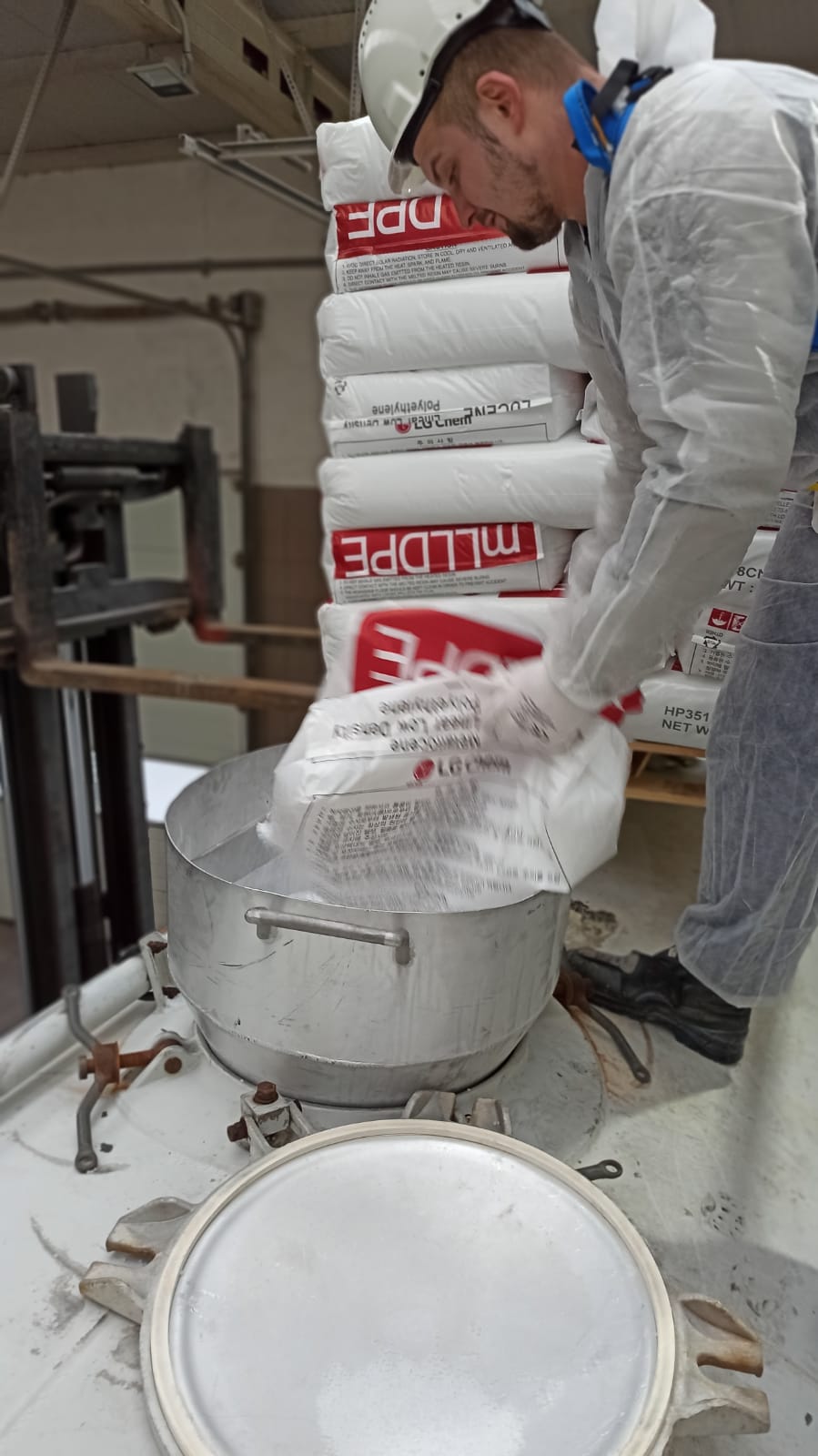
- Identification of leakage risk points (pneumatic ports, manholes, pipe connections, during loading/unloading)
- Operational procedures for each point
- An RMP review cycle (usually annual)
2. Operational procedures
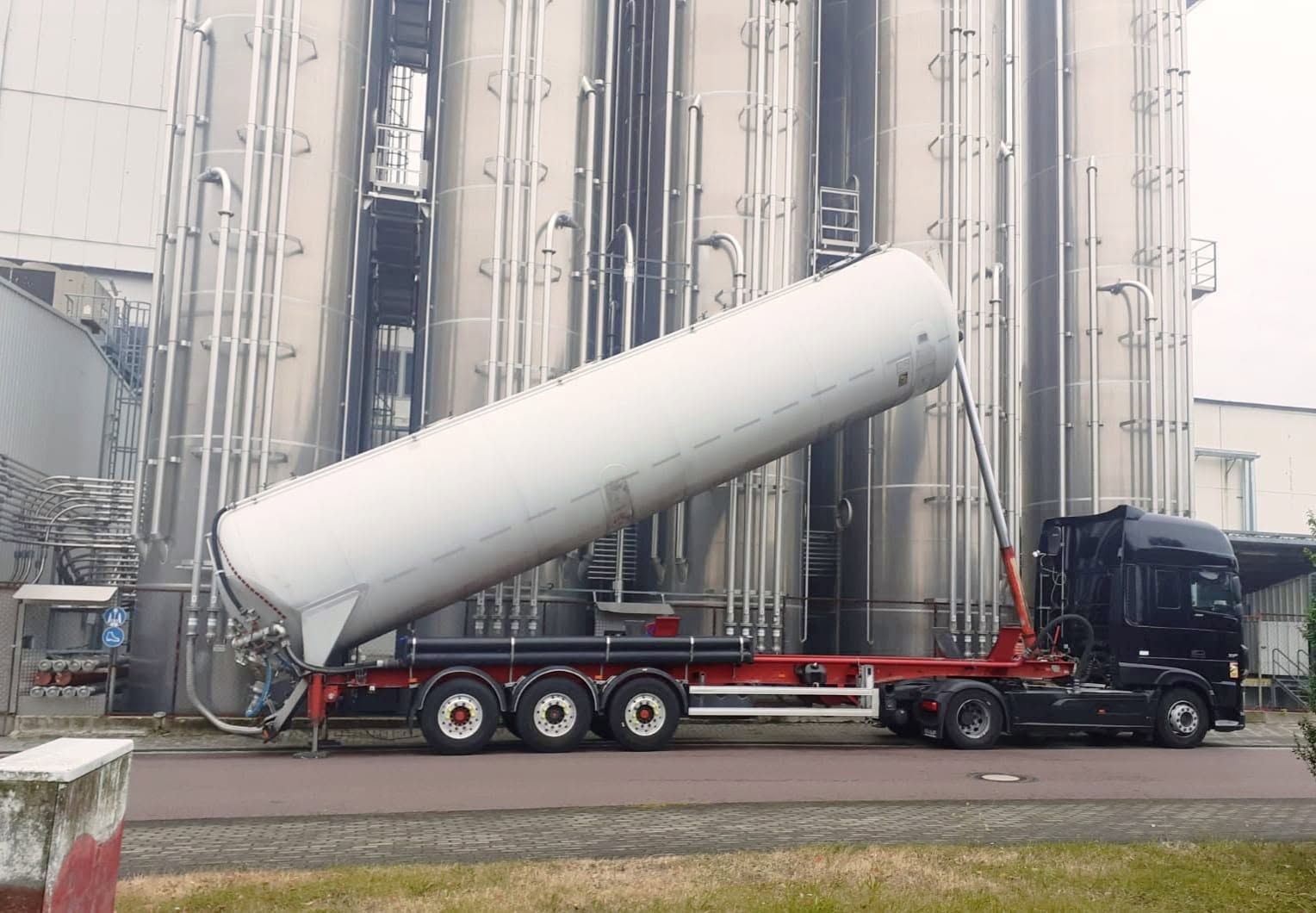
- Loading a silo trailer / wagon / container / big-bags
- Transport (securing, en-route checks)
- Unloading
- Warehousing
- Clean-up after a spill
3. Equipment and infrastructure
- Cleaning points at loading zones
- On-board equipment on the silo trailer (scoops, bags, brushes)
- Water separators in warehouse zones
- Wind protection
4. Staff and training
- A training record for every employee handling pellets
- Training content: hazards, procedures, reporting
- A refresher training cycle (typically annual)
- An onboarding procedure for new employees
How certification proceeds — step by step
Stage 0 (decision, 1 month): gap assessment against OCS Europe, management decision, choice of a consultant or in-house implementation.
Stage 1 (implementation, 3–6 months): writing the risk management plan and operational procedures, purchasing missing equipment, staff training, documentation.
Stage 2 (internal audit, 1 month): checking the implementation in-house, corrections.
Stage 3 (pre-audit, optional, 1 month): a trial auditor identifies gaps before the actual audit.
Stage 4 (certification audit, 3–5 days): the chosen auditor (DNV, DQS, TÜV, Bureau Veritas) visits the sites, interviews staff, verifies documentation. Result: a report with any non-conformities.
Stage 5 (closing non-conformities, 0–3 months): the company remedies the findings, the auditor confirms, and issues a certificate valid for 3 years.
Stage 6 (surveillance audits, annually): shorter audits (1–2 days) confirming the system is maintained. At certificate renewal after 3 years — a full audit as in Stage 4.
Implementation and certification cost
The certification audit fee falls within the range typical for ISO audits — the first audit costs more, surveillance audits less; ask the certification bodies for a quote. The main cost is the implementation:
- External consultant (optional): one-off
- On-board equipment (scoops, collection bags for the fleet): per number of vehicles
- Cleaning points in loading zones: per site area
- Staff training: per headcount
- Implementation team working time: 3–6 person-months
For a company with an ISO 9001:2015 baseline (i.e. an existing quality management system), OCS implementation is evolutionary — mostly extending procedures with pellet-specific requirements. Companies without ISO start with a longer implementation cycle.
What OCS delivers in practice — beyond legal compliance
An edge in tenders. Larger petrochemical plants (e.g. PCC, Anwil, Synthos) and Western European chemical companies (BASF, INEOS, LyondellBasell) have started requiring OCS from their hauliers and recyclers. No certificate = no tender invitation.
Lower incident risk. Implemented procedures reduce leakage by an order of magnitude (source: OCS pilot reports). This cuts material losses (the pellets themselves have value), clean-up costs, and exposure to administrative fines (up to 4% of annual revenue in the EU once the PPLP is fully in force).
Cross-acceptance. The OCS Europe certificate is recognised by other industry schemes (Responsible Care, ISCC, RecyClass) — minimising the number of separate audits.
What PHS Magnum can offer pellet shippers
For shippers of PE/PP/PET pellets looking for a haulier ready for the PPLP era:
- Compliance baseline of ISO 9001:2015 (DEKRA, certificate current)
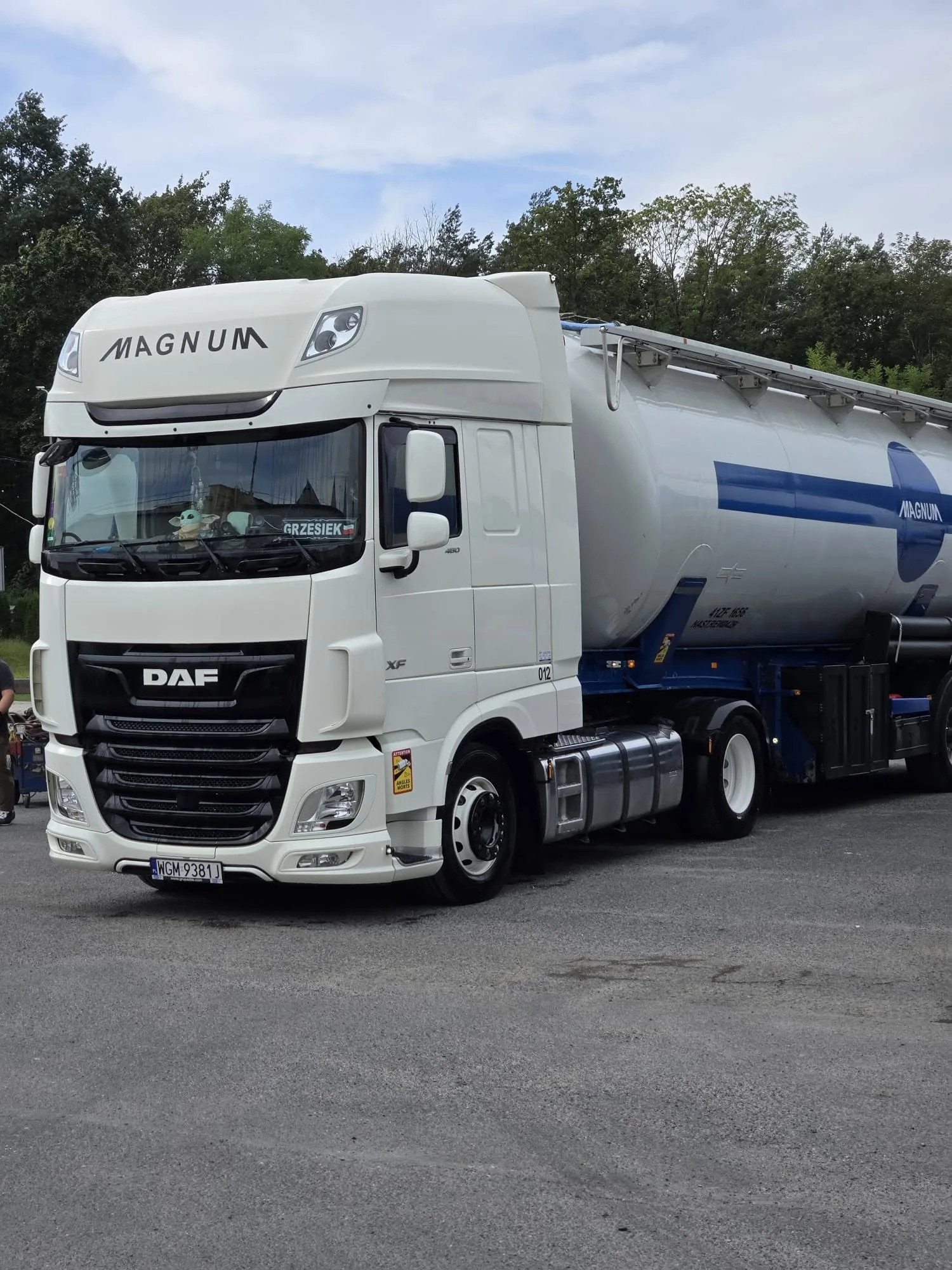
- Implemented silo trailer cleanliness procedures (inspection after every cycle, no switching pellets → lime/cement)
- On-board equipment (scoops, collection bags) on every silo trailer
- Driver training in PPLP procedures
- Documentation of every loading–transport–unloading cycle
- OCS Europe implementation in progress (external audit stage)
Quotes for cooperation with shippers of >1,500 tonnes/year portfolios — contact: biuro@magnumchorula.pl or +48 602 716 551.
Related
- PPWR 2026 — demand for R-PET, R-HDPE, R-PP recyclate transport
- Transporting PE and PP granules by silo trailer in the EU
About the author
This content was prepared by the PHS Magnum team in cooperation with Aleksy Pasternak — Managing Partner of the company and a bulk material transport expert with 35 years of experience in trading plastic pellets, recyclates, and industrial minerals in the EU. Aleksy publishes industry analyses on the expert portal pasternak.me , covering regulatory topics (PPLP, PPWR, OCS), technical topics (silo trailers, TDT), and operations (big-bag transloading, contract packing).