In Brief
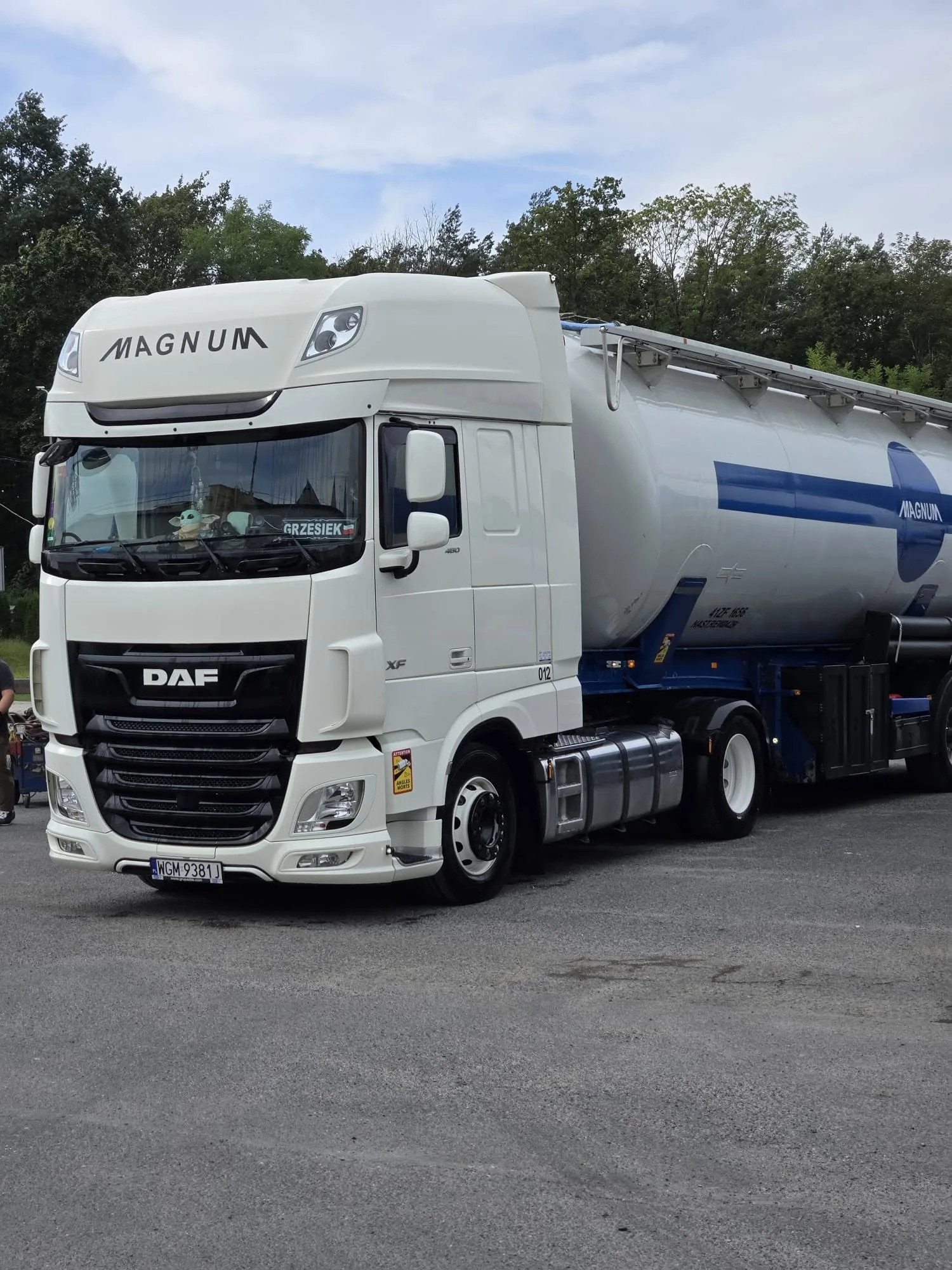
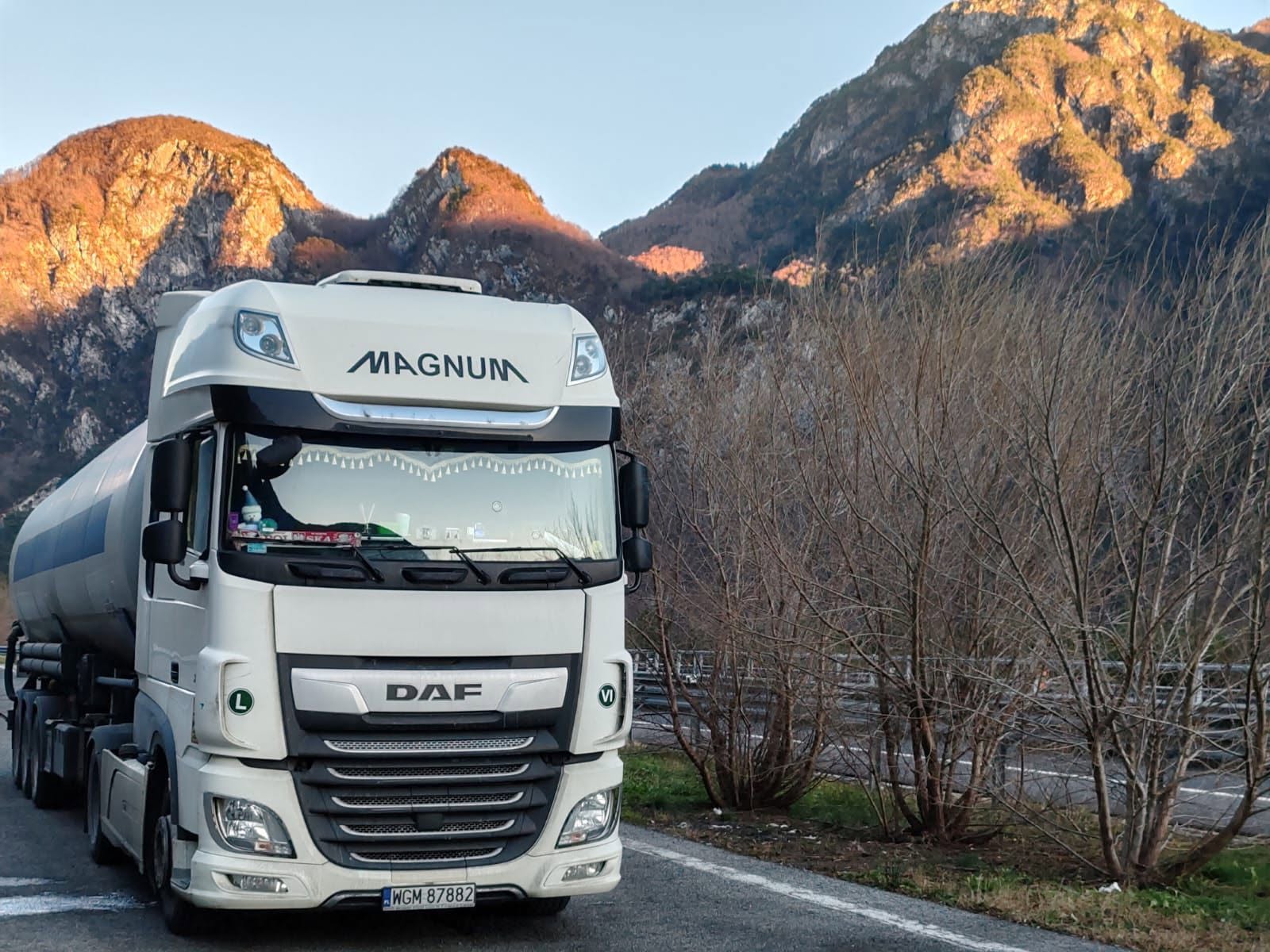
Transporting PE/PP granules by silo trailer requires clean trailers free of alkaline residue, ISO 9001:2015 documentation, and DACH-experienced carriers. PHS Magnum’s fleet of 31 trailers handles regular Poland–Germany–Austria–Czech Republic routes from the A4 motorway base in Chorula. Big-bag transloading from Asian imports is available on the same site for a complete import-to-delivery service.
Polyethylene (PE) and polypropylene (PP) granules are among the most frequently transported bulk goods in Europe. Poland is one of the main receiving markets for raw materials from Asian and Eastern European sources, redistributed to processing plants in Germany, Austria, the Czech Republic and Slovakia.
What looks simple on the surface — a silo trailer from A to B — has several pitfalls worth knowing before you choose a carrier.
Trailer cleanliness is non-negotiable
Plastic granules are sensitive to contamination. Even trace amounts of a previous load can result in an entire batch being rejected by the consignee.
Typical problems:
- Previous load was cement, gypsum or fly ash — highly dusty, difficult to remove from tank walls and nozzles
- Moisture in the tank — especially harmful for PA (polyamide) and hygroscopic materials
- Residue of a different granule type — e.g. PE after PP alters the melt flow index (MFI) and can cause complaints from the processor
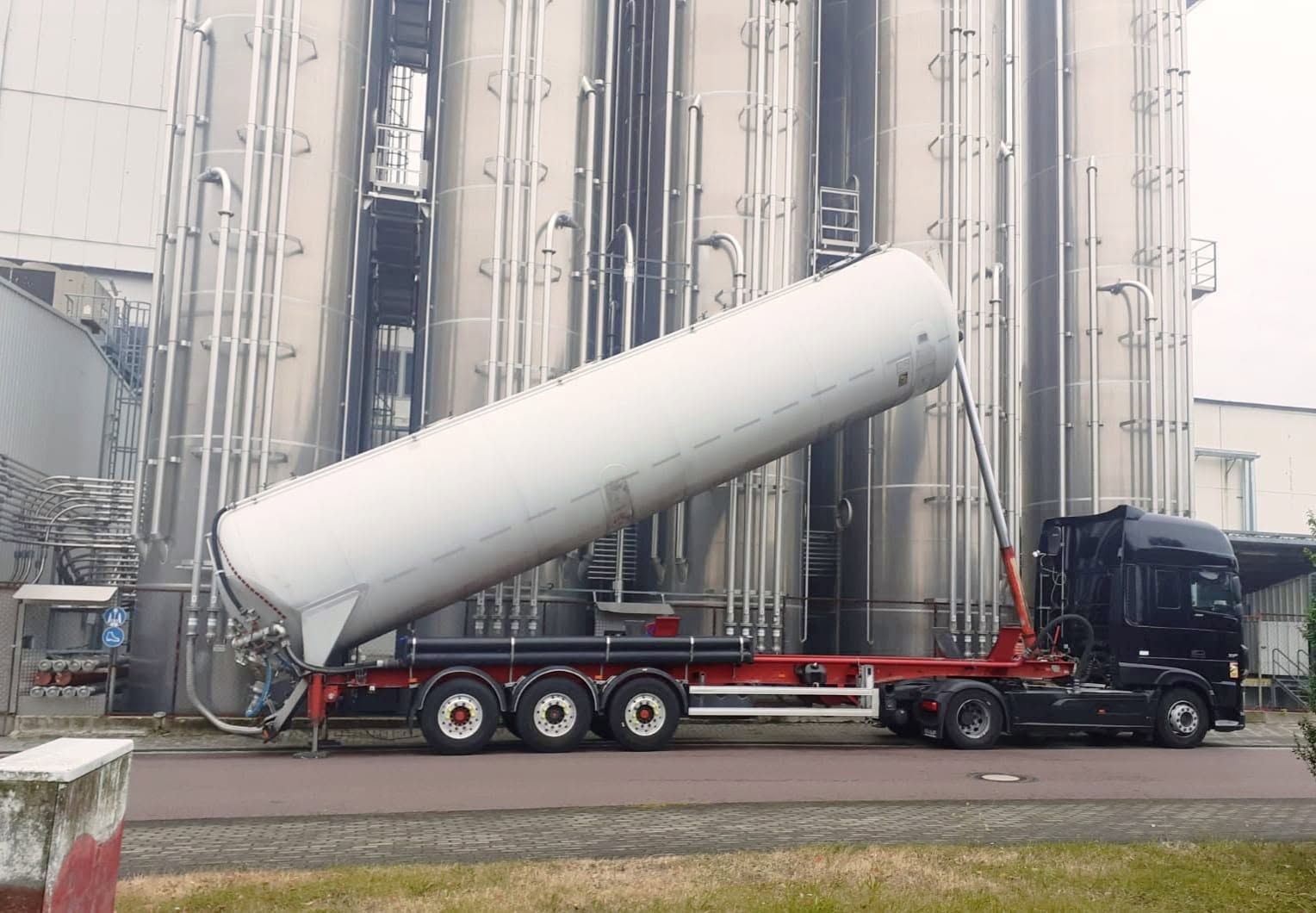
At PHS Magnum, silo trailers dedicated to plastic granule transport are not used for mineral materials. Every trailer is checked by the driver before loading and blown out with compressed air if needed.
ISO 9001:2015 — why it matters
An increasing number of petrochemical and processing plants in Germany and Austria now require their transport partners to hold ISO 9001:2015 certification. It is not a strict legal requirement, but it has become a de facto industry standard.
ISO 9001:2015 means:
- The carrier maintains documented quality controls at every stage
- There is a formal process for handling complaints
- Silo trailers are serviced and inspected according to a schedule
- Drivers are trained and their competencies are documented
PHS Magnum holds ISO 9001:2015 certification.
Documentation for granule transport
When transporting plastic granules, the following is standard practice:
| Document | Issued by |
|---|---|
| CMR / consignment note | Carrier |
| Delivery note | Sender |
| Certificate of Analysis (CoA) | Granule manufacturer |
| Trailer cleanliness certificate | Carrier (on request) |
| Unloading report | Recipient |
For shipments to Germany or Austria a fully completed original CMR signed by all three parties — sender, carrier and consignee — is mandatory. Errors in the CMR can cause customs problems or border delays.
Cost and lead time?
Transporting granules by silo trailer from Poland to Germany or Austria typically takes 2–3 days (loading, transit, unloading). Pneumatic discharge time is 2–5 hours depending on the receiving plant’s installation.
Prices depend on route, current fuel rates and vehicle availability. For regular orders, negotiating quarterly or annual rates provides stability for both parties.
Big-bag transshipment before dispatch
Many granule suppliers on the Polish and Asian markets deliver material in big-bags or octabins. If your consignee requires delivery in a silo trailer (the standard at large plants), a transshipment is needed.
At PHS Magnum we can accept big-bags or octabins, transfer them to a silo trailer (without pneumatic conveyors, using a cleaning screen) and dispatch with our own vehicles, or arrange collection by the client.
This is a complete logistics service: reception, transshipment, documentation, dispatch.
Location: Chorula near Opole, Poland – 4 km from the A4 motorway, 180 km from the German border. ISO 9001:2015 certified. Invoicing in EUR available.
Rates and availability: Kacper Bieniek +48 602 189 394 | biuro@magnumchorula.pl
Related: Transport services · Big-bag transshipment service · Silo trailer servicing