In short
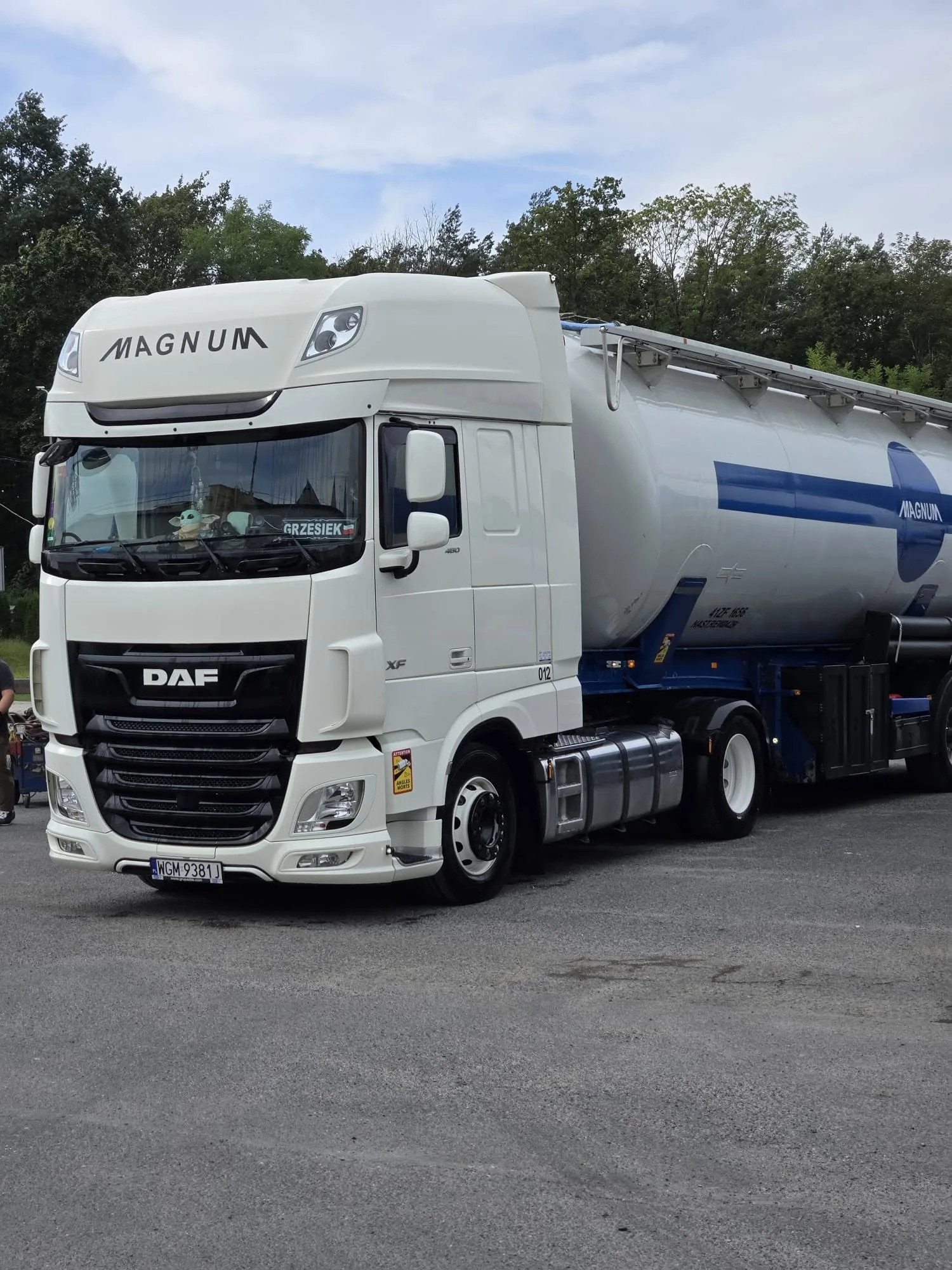
Road tanker repair covers welding of the tank shell (acid-resistant steel, aluminium), fitting replacement, repairs to pneumatics and EBS systems, and accident repairs. Pressure vessels are subject to technical supervision — after any work affecting the tank, an inspection is required. PHS Magnum runs a tanker service in Chorula, 4 km from the A4, with ISO 9001:2015 certification.
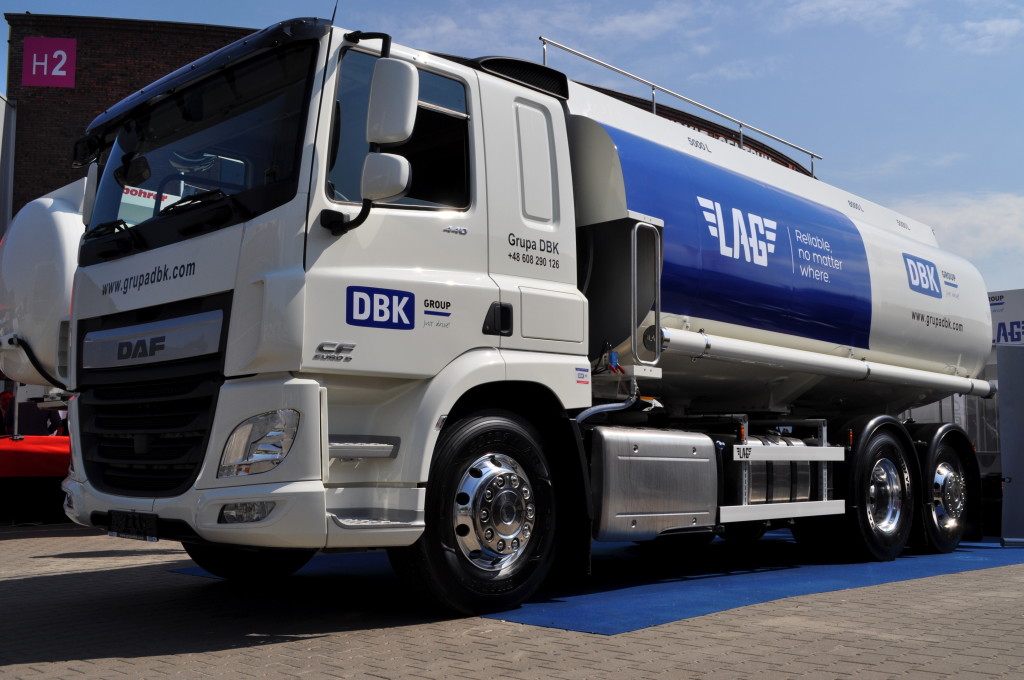
A road tanker is a trailer where every repair has a regulatory context. A tank carrying ADR chemicals, food products, or bulk materials is subject to technical supervision — which means the scope and method of repair are determined not only by technical considerations but also by the requirements of the inspector who will approve the tank for further operation after the repair.
In this article we explain which tanker types come to the workshop, which repairs are most common, what a TDT inspection of a pressure vessel looks like, and what to watch for when choosing a workshop.
Road tanker types and their service specifics
Food-grade tankers have tanks made of 304 or 316L stainless steel with a highly smooth internal surface. Every welding intervention must preserve that surface — discolouration and oxidation after welding disqualify the tank for food contact without additional treatment (pickling, passivation).
ADR chemical tankers (classes 6.1, 8, 9) require verification of tank material compatibility with the medium carried. Repairs must use certified materials and end with restoration of the ADR markings. Documented washing and degassing of the tank by a certified wash facility is a precondition for starting any hot work.
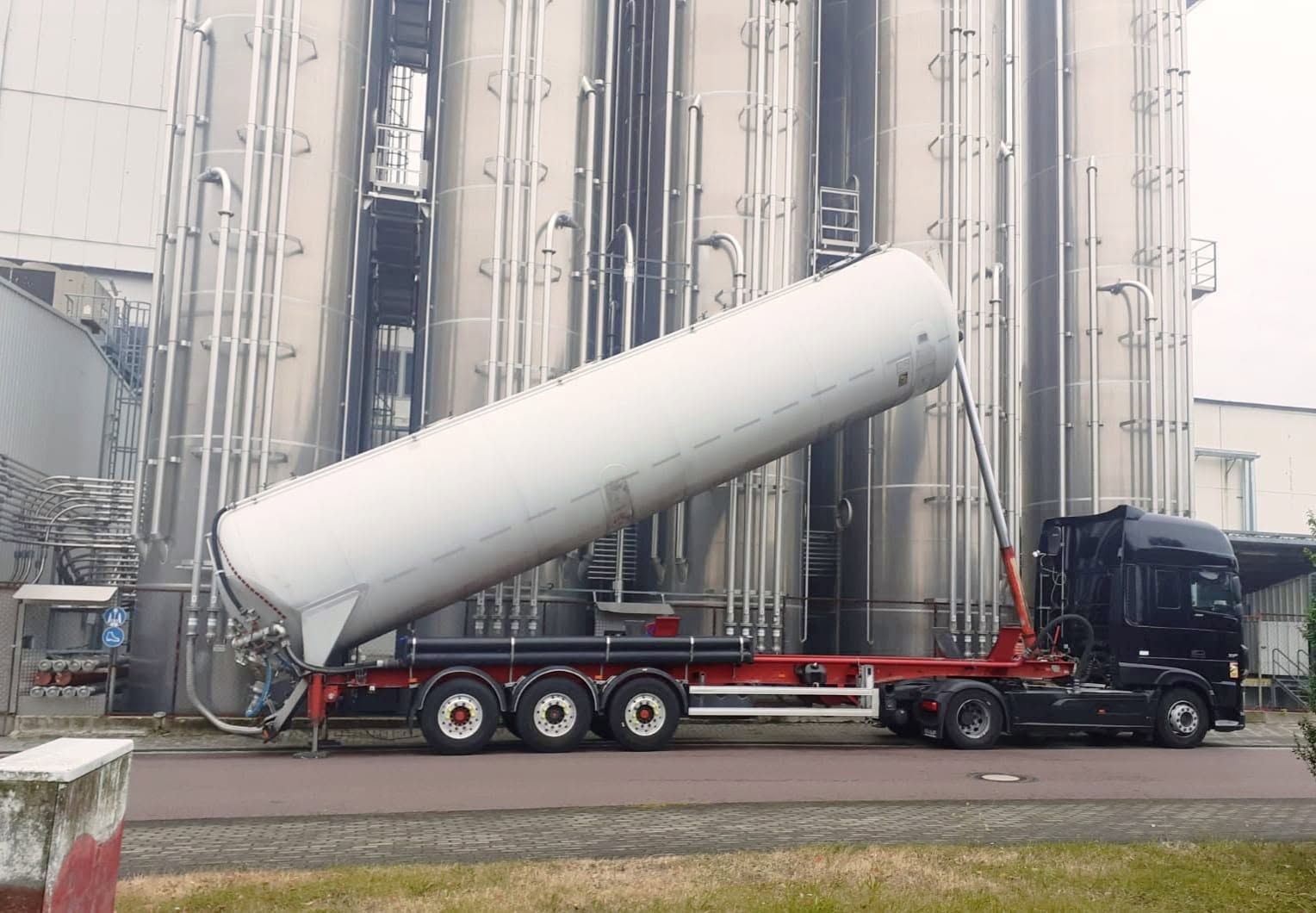
Silo trailers and bulk material tankers are pressure vessels operating during pneumatic discharge at 2–3.5 bar. They fall under TDT supervision. Typical service points: circumferential welds, aeration pads, safety valves, discharge outlets, and manholes. We describe the full scope on the tanker service page.
Typical tanker repairs — four areas
1. Tank shell
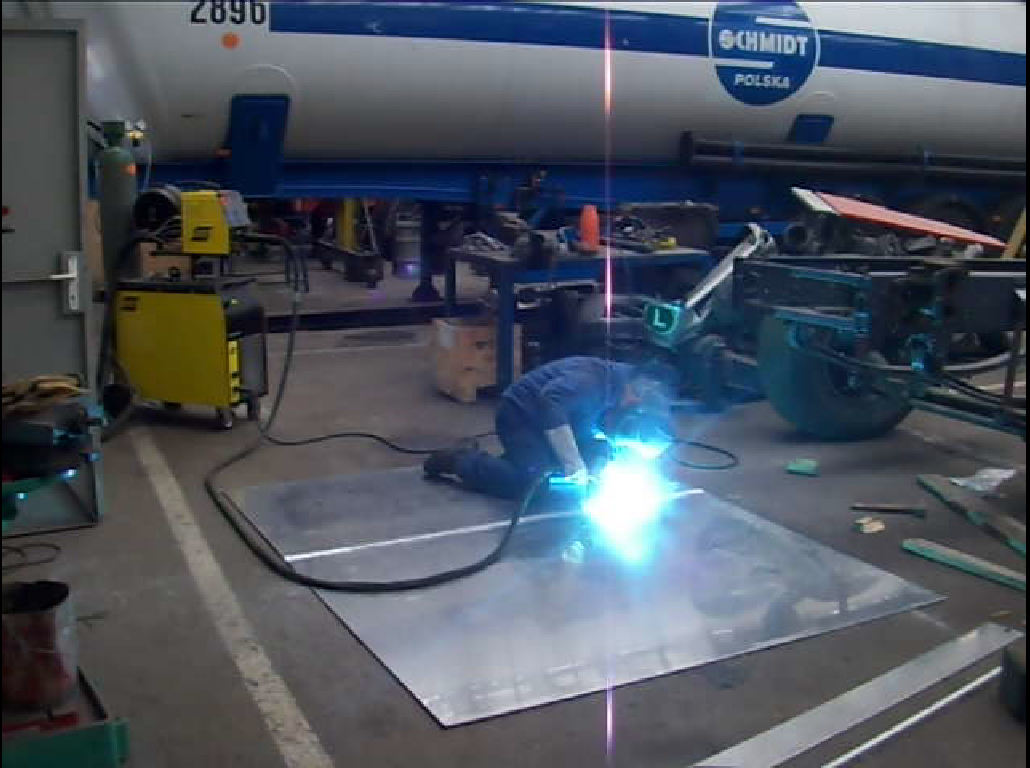
Shell cracks most often appear in stress-concentration zones: at outlets, brackets, the feet mounting the tank to the frame, and on circumferential welds. The repair is TIG or MIG/MAG welding matched to the tank material, with weld inspection afterwards. For supervised tanks, the repair scope is agreed with the inspector before work begins.
2. Fittings
Bottom, breather, and safety valves, manholes, seals, discharge couplings — these are wear items that age faster than the tank itself. A leaking bottom valve on an ADR tanker is not a cosmetic fault; it is grounds for stopping the vehicle at a roadside check. We replace fittings with components properly approved for the medium in question.
3. Discharge pneumatics
In bulk material tankers and silo trailers, the pneumatic system handles discharge: aeration pads, hoses, control valves, pressure gauges. Wear symptoms include prolonged discharge, material residue left in the chamber, and uneven fluidisation. Regular replacement of aeration pads is cheaper than customer complaints about incomplete discharge.
4. Electronics and EBS
The trailer’s EBS system logs braking errors, lining wear, and operational events. Computer-based EBS diagnostics (Wabco, Knorr-Bremse, Haldex) detect faults before the trailer fails its inspection — and reading the error history is often the first diagnostic step for non-obvious symptoms such as uneven braking or a locking wheel.
TDT inspection of a pressure vessel — how it works
Pressure vessels mounted on vehicles fall under the Transport Technical Supervision authority (TDT). Periodic inspections comprise the external inspection (visual assessment of the tank, fittings, and markings), the internal inspection (chamber inspection from the inside — requires a washed, empty tank), and the pressure test carried out on a longer cycle.
A precondition for the internal inspection is a clean, dry tank with open manholes — the inspector must see the condition of the welds and internal surface. That is why washing and inspection are best planned together, at one location. We describe the procedure and preparation in the TDT inspections section.
After a repair affecting the tank (shell welding, safety valve replacement), an ad hoc inspection is required before returning to service. A workshop that knows the TDT inspectors’ requirements agrees the repair scope before starting — eliminating the risk that finished work has to be redone at the supervision authority’s direction.
Welding acid-resistant steel and aluminium — why they are not the same
Acid-resistant steel (304, 316L) requires 308L/316L filler metals, gas shielding, and a thermal regime that eliminates discolouration. The welder must be certified for this material group. Mistakes — using ordinary filler, overheating the heat-affected zone — result in pitting corrosion at the repair site after a few months of operation.
Aluminium (typical for silo trailers and parts of fuel tankers) is welded with TIG AC or MIG with 5xxx-series wire. It requires careful cleaning of oxides before welding and porosity checks on the weld. A quick fix of an aluminium shell by a welder without tank experience is the shortest route to a secondary crack next to the weld.
Accident repairs of tankers
After a collision, a tanker needs assessment on three levels: the load-bearing structure (frame, suspension, coupling), the tank (dents, cracks, geometry), and the equipment (fittings, installations, lighting). A dented shell on a pressure vessel is always a case for the supervision authority — approval for further operation is decided by an inspection, not by a workshop’s visual judgement.
PHS Magnum performs accident repairs of tankers and silo trailers covering bodywork, welding, and painting, including arranging supervision inspections after the repair. The base in Chorula lies 4 km from the A4 motorway (Gogolin junction) — convenient for hauliers on the east–west route, including those from the German market.
What to watch for when choosing a tanker workshop
- Welder certifications — acid-resistant steel and aluminium require separate qualifications. Ask about them directly.
- Experience with technical supervision — the workshop should know when a repair requires an inspection and be able to arrange it.
- Cleanliness document before hot work — a workshop that welds a tank after chemicals without washing and degassing is gambling with its employees’ lives. Refusing to weld without a cleanliness document is a good sign, not pedantry.
- Quality system — ISO 9001:2015 means documented procedures and repair traceability, which matters for complaints and audits.
Tanker service at PHS Magnum — Chorula on the A4
We service specialist trailers covering mechanical, welding, and painting work: food-grade tankers, chemical tankers, silo trailers, cement trailers. Welders certified for acid-resistant steel, qualifications for repairing vehicle-mounted tanks, supervision inspections arranged on-site. ISO 9001:2015 certified, a family business operating since 1991.
We service silo trailers of the two most popular brands through dedicated portals: specialist Spitzer trailer service and specialist Feldbinder trailer service — with spare parts from the warehouse in Chorula.
Service / TDT contact: +48 602 716 551 · biuro@magnumchorula.pl