In brief
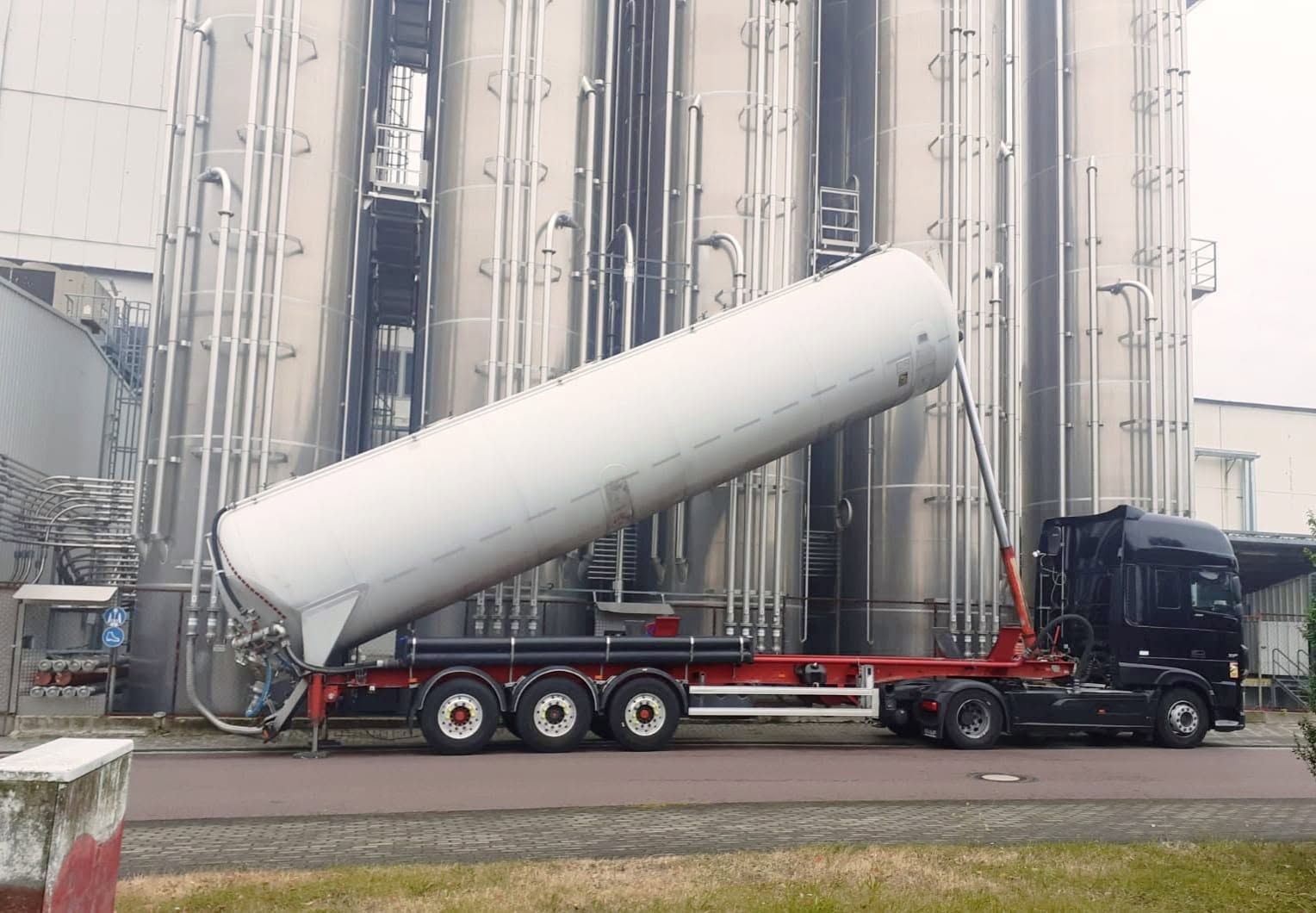
Big-bag (FIBC) is the optimal packaging for bulk transport of PE/PP granules from Asia to Europe — 750–1000 kg capacity, low cost, easy gravity transloading to a silo trailer without pneumatics. Octabin works well for deliveries to processing plants where precise batching and stable stacking count. 25 kg bags only make sense for small quantities or special material grades. The SMIALA terminal in Chorula handles transloading of all three formats onto silo trailers — up to 200 tonnes per day.
Importers of PE and PP granules from Asia regularly face the same dilemma: in what packaging to order material so that the total logistics cost — from the factory in Korea or China to the processing plant in Poland or Germany — is as low as possible? Big-bag, octabin, or 25 kg bag? Each solution has its place, but not every option fits every scenario.
Big-bag (FIBC) — flexibility at scale
Big-bag, formally known as FIBC (Flexible Intermediate Bulk Container), is a flexible woven polypropylene bag. It dominates bulk granule transport from Asia to Europe.
Big-bag technical specifications
| Parameter | Typical values |
|---|---|
| Capacity | 500–1500 kg (most commonly 750–1000 kg) |
| Volume | 0.8–1.5 m³ |
| Dimensions | 90×90×120 cm (typical) |
| Safe Working Load (SWL) | 5:1 (5× working load) |
| Material | Woven PP fabric |
When is a big-bag the best choice?
Bulk sea import: 20’ containers hold approx. 22–24 tonnes of granules in big-bags (22–32 units at 750 kg each). A full 40’ container — up to 24–26 tonnes. This is the optimal format for transport from South Korea, China, and Saudi Arabia.
Transloading to silo trailer: Big-bags are ideal for gravity transloading through a cleaning sieve — as we do at the SMIALA terminal . A forklift lifts the big-bag, the bottom is opened, granules flow into the trailer tank. Simple, fast, no mechanical damage to material.
Storage: Big-bags can be stored on pallets or directly on the floor, maximum 2–3 layers. The PHS Magnum warehouse in Chorula holds 2000 big-bags simultaneously.
Big-bag limitations
- Unstable when stacked high (above 3 layers — tipping risk)
- Flexible structure makes precise batching for processing machines difficult
- Single-use big-bags generate PP packaging waste (recyclable)
Octabin — stability and precision
Octabin is an octagonal industrial cardboard container mounted on a EURO pallet. An important format for deliveries to injection moulding or extrusion plants.
Octabin technical specifications
| Parameter | Typical values |
|---|---|
| Capacity | 250–500 kg |
| External dimensions | 900×900×1050 mm (typical) |
| Material | Corrugated cardboard (3 or 5 layers) + PE liner |
| Pallet | EURO 800×1200 mm |
| Loading in 20’ container | 4–6 units = 1–3 tonnes |
When is an octabin the right choice?
Processing plants with dosing equipment: An octabin with an ejector bag or a standard dispenser port for a gravity feed chute fits automated material dosing systems perfectly. Precise weighing without spillage risk.
Storage up to 2 years: The rigid cardboard structure protects granules better than a flexible big-bag — lower risk of moisture and mechanical damage during long-term storage.
Mixed transport: Octabins on EURO pallets can be transported in curtainsider trucks alongside other palletised goods — convenient for smaller shipments.
Octabin limitations
- Higher packaging cost than big-bag
- Cardboard is damaged by moisture (requires dry storage)
- Lower capacity = more packaging units for large batches
- Harder to transload onto a silo trailer (cartons need to be cut manually)
25 kg bag — only for small quantities
25 kg bags (laminated PP or paper) are classic retail and small-scale industrial packaging. In the context of bulk import from Asia — rarely cost-effective.
When does a 25 kg bag make sense?
- Special material grades (colours, additives, concentrates) in small batches of 500–5000 kg
- Deliveries to recipients without silos (processing companies with small hoppers)
- Material samples for technology trials
- Certified materials requiring strict batch traceability
Why are 25 kg bags expensive for bulk import?
The maths: 25 tonnes of granule = 1000 bags of 25 kg. Packing, palletising, loading on the container, then unloading at the recipient — multiple times more labour than with 33 big-bags or 3 containers in big-bags. Packaging cost: approx. 1500–2500 EUR per 1000 bags, vs. 200–350 EUR for 33 big-bags.
Summary comparison
| Criterion | Big-bag | Octabin | 25 kg bag |
|---|---|---|---|
| Capacity | 750–1000 kg | 250–500 kg | 25 kg |
| Packaging cost | Low | Medium | High per kg |
| Transloading to silo trailer | Easy (gravity) | More difficult | Impractical |
| Dosing precision | Low | High | High |
| Storage stability | Medium | High | High |
| Best use | Bulk import, transloading | Processing plants | Small batches, samples |
How SMIALA handles transloading
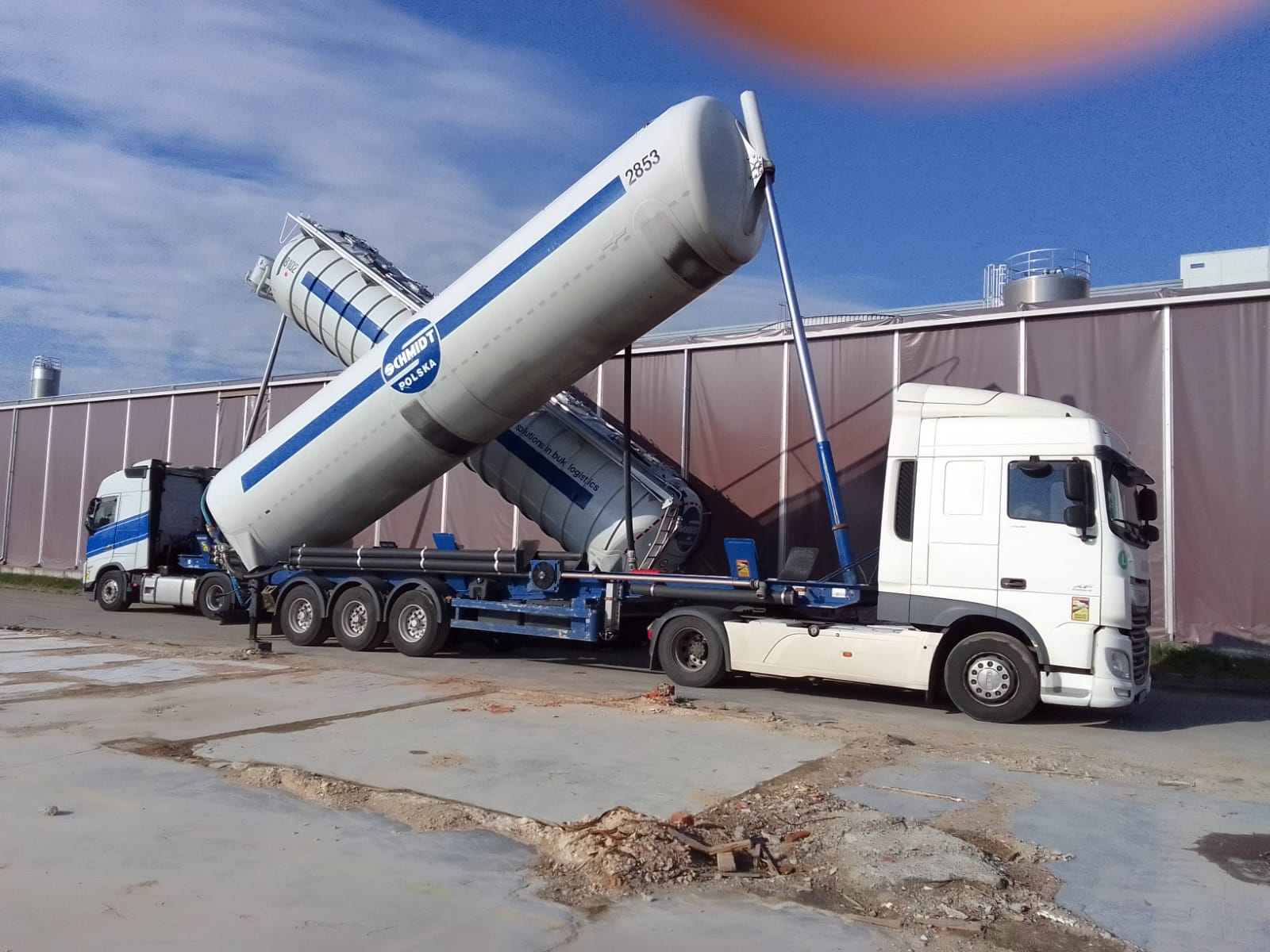
The SMIALA transloading terminal in Chorula near Opole handles big-bag and octabin transloading to silo trailers by the gravity method through a cleaning sieve:
- Forklifts up to 5 tonnes
- Covered transloading yard (weather-independent)
- Warehouse for 2000 big-bags
- Direct acceptance of 20’/40’ sea containers
- Capacity: up to 200 tonnes/day (2000 big-bags)
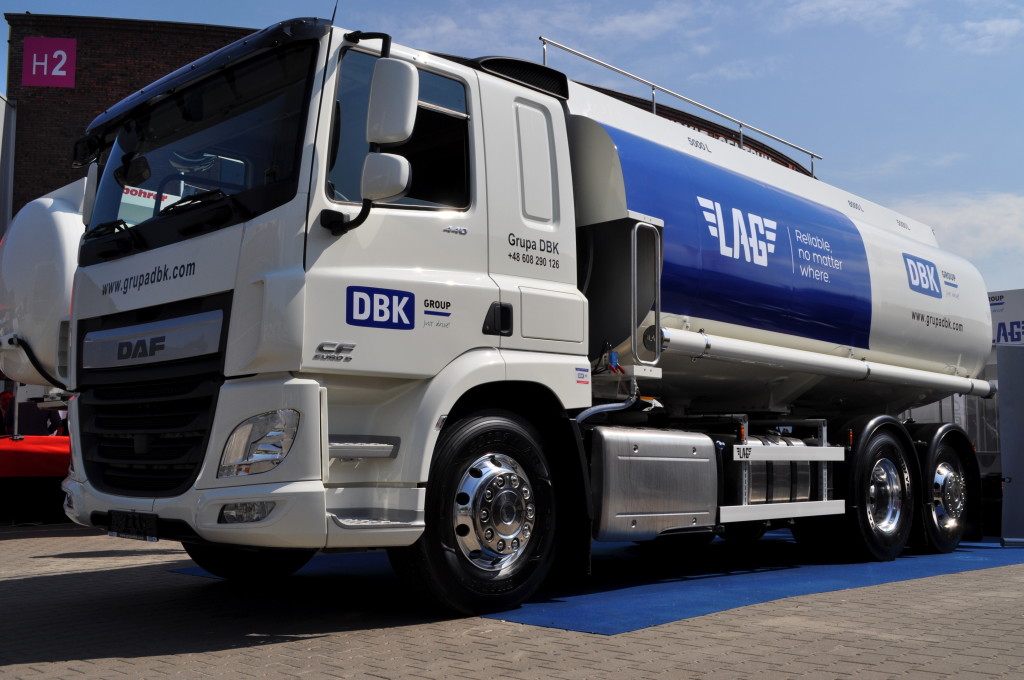
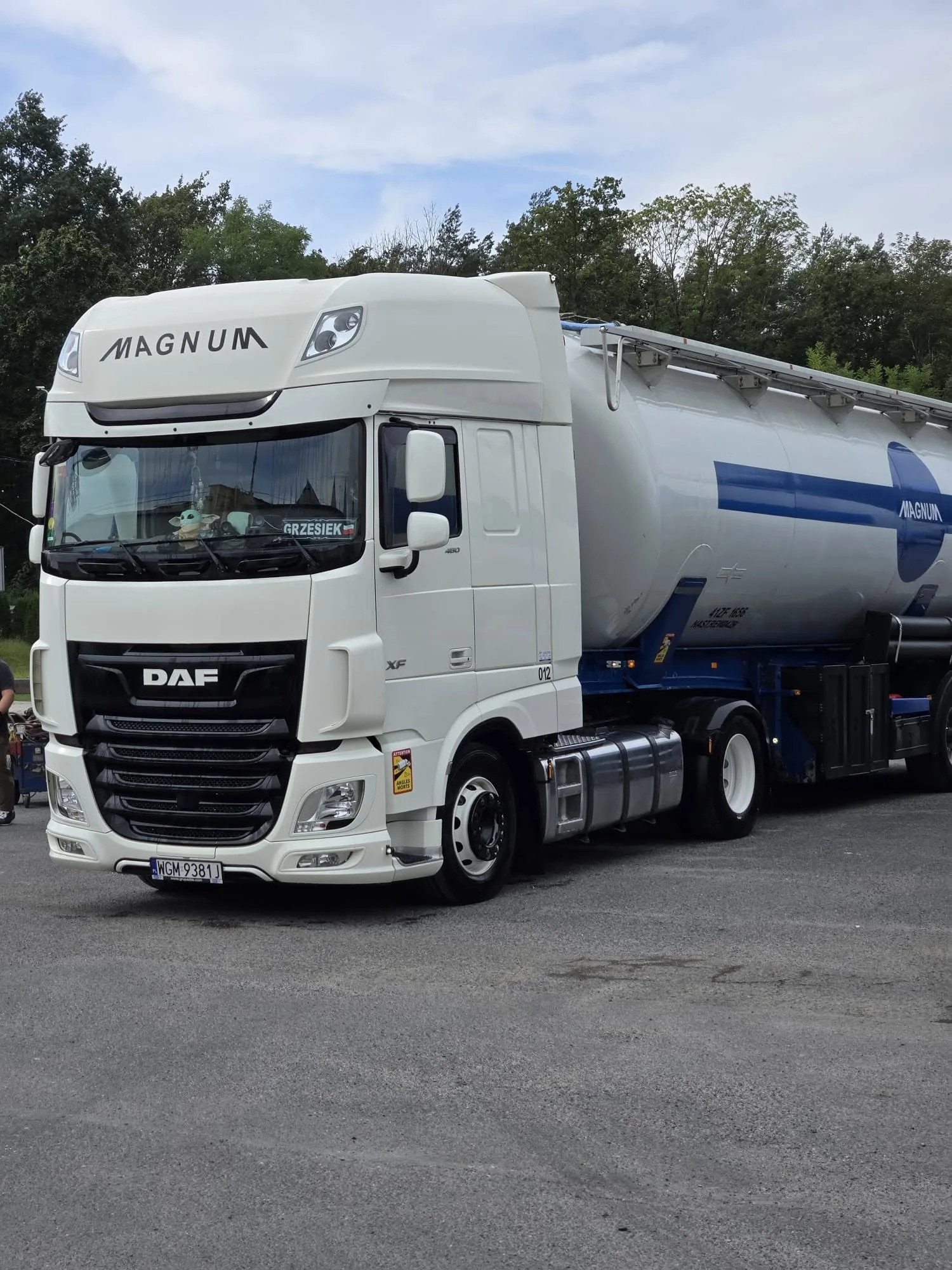
- Own fleet of 26 DAF XF 480 tractors for onward transport
Ask about availability and transloading terms: +48 664 135 005 | biuro@magnumchorula.pl
Related: SMIALA transloading terminal · Big-bag to silo trailer transloading · Silo trailer – service