In Brief
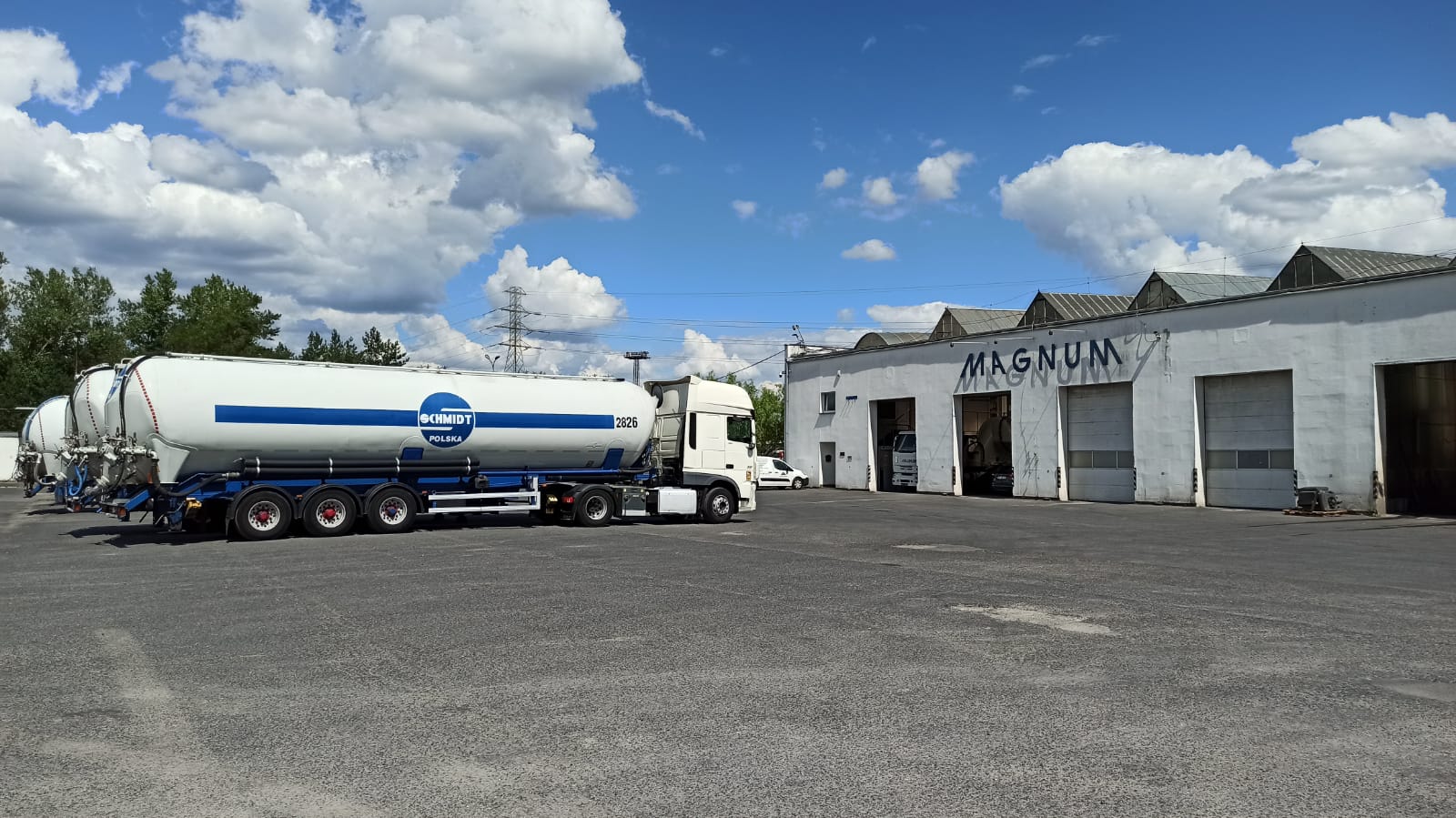
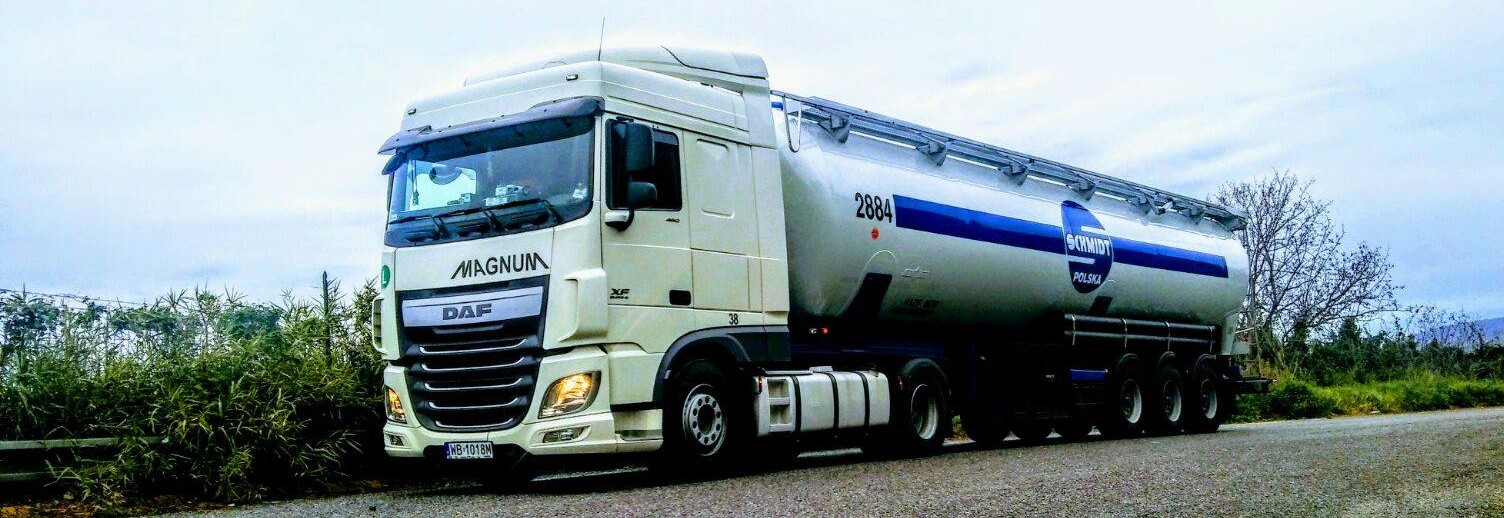
PE/PP granule transport by silo trailer across the EU — granules are not ADR (except FR-additive grades), but require: trailer cleanliness certificate, SDS in the cab, valid TDT, and ISO 9001:2015 for petrochemical customers. Dedicated trailers — not switched from cement or lime. Poland–DACH routes: 1–2 days. PHS Magnum: 26 DAF XF 480 Euro6 tractors, big-bag transloading from Chorula at the A4 motorway.
Bulk plastic granule transport — polyethylene (PE) and polypropylene (PP) in particular — is one of the fastest-growing segments of European silo haulage. As petrochemical producers in Poland, Germany and the Netherlands ramp up output, demand for reliable bulk logistics corridors is rising. Here is what operators and shippers need to know.
Regulatory Classification
PE and PP granules are not classified as dangerous goods under ADR. They are dry, non-reactive, non-toxic and non-flammable in granule form. This simplifies cross-border documentation significantly compared to powder chemicals.
Drivers do not require ADR certification for granule loads. Standard CMR documentation applies, with the material safety data sheet (SDS) carried in the cab.
Trailer Requirements
Not every silo trailer is suitable for plastic granule transport:
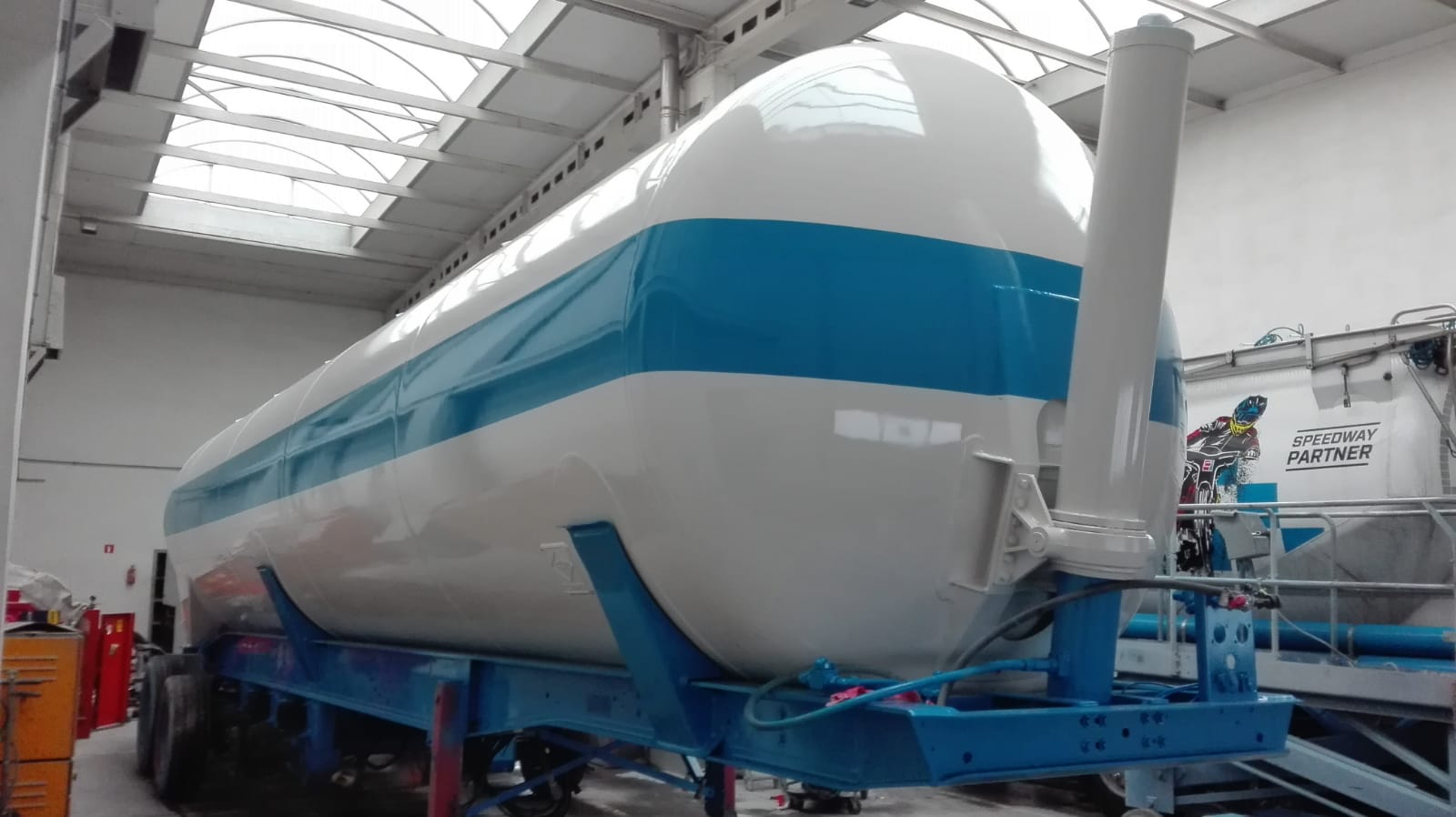
- Internal cleanliness: residue from cement, lime or flour contaminates polymer loads and renders them unusable. The trailer must be cleaned with certified procedures between incompatible product changes.
- Aeration system condition: granules fluidise differently to powders — they require consistent, even aeration to flow without bridging. Worn pads cause incomplete discharge, leaving residue in the cone.
- Tank size: most PE/PP contracts specify 25–27 tonnes net payload. A 60–65 m³ trailer achieves this comfortably; smaller tanks may fall short.
- Clean hatch seals: manhole and discharge valve seals must be in perfect condition to prevent moisture ingress, which causes clumping and customer complaints.
Key Routes
Major Polish departure points for PE/PP granule transport:
| Departure | Destination | Typical transit |
|---|---|---|
| Płock, Włocławek | Germany, Austria, Czech Republic | 1–2 days |
| Gdańsk (LOTOS/Orlen terminal) | Scandinavia, Baltic states | 1–3 days |
| Kędzierzyn-Koźle | DACH region, Italy | 1–2 days |
| Bydgoszcz | Netherlands, Belgium | 1–2 days |
Documentation Checklist
- CMR consignment note (one copy per trailer load)
- Material Safety Data Sheet (SDS) — EN/DE/PL as required
- Batch certificate / Certificate of Analysis from producer
- Weighing certificate from loading station
- Trailer cleaning certificate (for previous incompatible loads)
Why Transloading Matters
Many PE/PP producers fill granules into big-bags or octabins, not bulk trailers. A transloading station — such as the Smiała facility at Chorula — bridges this gap: receiving big-bags from the factory and reloading into silo trailers for long-haul dispatch.
This is particularly relevant for producers without their own bulk loading infrastructure, and for traders consolidating part-loads from multiple sources into full trailer dispatches.
PHS Magnum’s transport division operates regular bulk routes from Opole/Chorula to Germany, Austria and the Czech Republic, with same-day loading from the Smiała transloading station.
Related: Bulk transport services · Big-bag transloading · Silo trailer service